
Introduction to Smart Security Systems
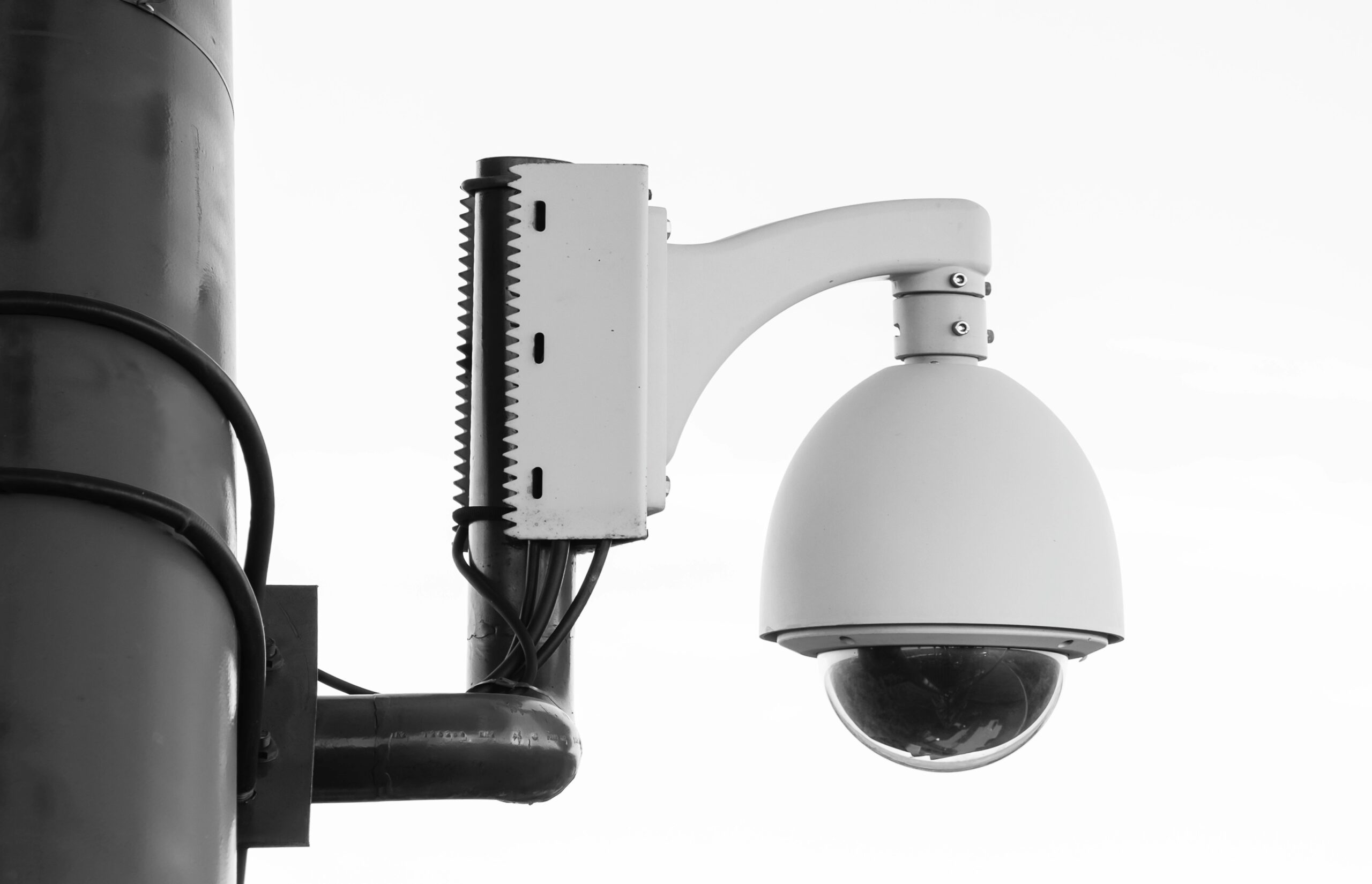
Smart security systems represent a significant evolution in the realm of security solutions, particularly when it comes to residential environments like apartments. Unlike traditional security systems that largely depend on physical installations and manual monitoring, smart security systems leverage connectivity and automation to provide real-time surveillance and response capabilities. These modern systems often incorporate various components, including cameras, motion detectors, smart locks, and alarm systems, all linked through the Internet, allowing owners to monitor and control their security status remotely via mobile devices or computers.
The growing importance of smart security systems is particularly pronounced in the context of apartment living. With the increase in urbanization and the density of apartment complexes, ensuring the safety of residents is paramount. Smart systems enhance safety by enabling residents to receive real-time alerts and notifications, allowing for quicker responses to potential threats. For instance, an intrusion detection system can send immediate alerts to a resident’s smartphone if any unusual activity is detected, empowering individuals to act swiftly or contact authorities without delay.
Additionally, conveniences offered by smart security systems cannot be overlooked. Many of these systems are user-friendly, featuring intuitive interfaces and integration capabilities with other smart home devices. This interconnectedness allows residents to manage their home security effortlessly, alongside other elements such as lighting and temperature control. Overall, the integration of smart technology enhances both the practicality and efficacy of security measures, particularly in apartment settings, where traditional security may fall short. By adopting such advanced security solutions, residents can ensure peace of mind, knowing that their living environment is well monitored and protected.
Key Features to Look for in Smart Security Systems
When selecting a smart security system for an apartment, several key features should be considered to enhance safety and convenience. One of the most important aspects is remote access. This feature allows users to monitor their premises from anywhere, enabling them to receive real-time alerts and manage their security system through a mobile app or web interface. This level of control is critical for apartment dwellers who may travel frequently or spend long hours away from home.
Mobile app integration is another essential feature. A user-friendly app will allow residents to receive notifications instantly, view live camera feeds, and even control smart locks and alarms remotely. This not only enhances security but also adds a layer of convenience, allowing users to engage with their security system at their fingertips.
Motion sensors play a crucial role as well. These sensors can detect any unforeseen movement in or around the apartment, ensuring prompt notifications are sent to the homeowner. Some advanced systems incorporate artificial intelligence to differentiate between human activity and pets, reducing false alarms and providing more reliable surveillance.
Video surveillance capabilities are equally important, as they provide visual evidence in the event of a security incident. High-definition cameras, night vision features, and cloud storage options ensure that video footage can be accessed anytime, offering peace of mind to users.
Furthermore, alarm systems are a non-negotiable feature. A robust alarm system can deter intruders and alert residents and neighbors to potential threats. Lastly, compatibility with smart home devices can greatly enhance the functionality of a security system. IoT integration allows seamless communication between devices, making it possible to create automated actions based on specific triggers.
In choosing the right smart security system, focusing on these key features will ensure residents feel safe and secure in their apartments.
Top Smart Security Systems for Apartments
As urban living increases, so does the demand for efficient and reliable security solutions tailored specifically for apartments. The market offers a variety of smart security systems that cater to diverse needs while ensuring peace of mind for residents. Here, we evaluate some of the best options currently available, based on features, ease of installation, user feedback, and pricing.
One standout option is the Ring Alarm Security Kit. This system is known for its comprehensive coverage, allowing users to customize it with various sensors and cameras. The installation process is straightforward, making it ideal even for those with limited technical skills. Users praise Ring for its user-friendly app that provides real-time alerts and easy arming and disarming of the system. Pricing is competitive, with packages available for different budgets, making it accessible for many apartment dwellers.
Another top choice is the Vivint Smart Home Security System. This system excels in offering advanced features, including smart home integration and remote monitoring options. Vivint’s professional installation ensures optimal setup, while the system’s state-of-the-art technology often attracts tech-savvy users. Although the initial investment may be higher than some alternatives, users report exceptional customer service and tailored security solutions that justify the price.
The SimpliSafe Home Security System stands out for its no-contract, flexible pricing structure. The kit is designed for DIY installation, making it a favorite for renters. With a variety of add-ons like indoor cameras and environmental sensors, SimpliSafe allows users to build a system that meets their specific needs. User reviews frequently commend its reliability and responsiveness, which are crucial components of a robust apartment security system.
Each of these smart security systems caters to different preferences and budgets. Evaluating their unique features and benefits can assist apartment residents in choosing the right solution for a safe and secure living environment.
DIY vs. Professional Installation: Which is Right for You?
When considering the installation of a smart security system in an apartment, the two primary options are DIY installation and professional installation. Each option has its advantages and disadvantages, and understanding these can significantly influence your final decision.
Choosing a DIY installation can be appealing for those looking to save on costs. Many smart security systems are designed with user-friendliness in mind, allowing individuals with moderate technical skills to set them up effectively. Users can follow step-by-step guides and videos that manufacturers provide, which can be a satisfying and cost-efficient experience. Furthermore, a DIY approach allows for more flexibility in design, enabling you to customize your system based on your specific needs and preferences. However, it’s important to note that a thorough understanding of the equipment is necessary, along with some basic technical skills. If installation goes awry, it could lead to security vulnerabilities or system malfunctions.
On the other hand, opting for professional installation offers a level of assurance and reliability that can be beneficial, especially for those less inclined toward technical tasks. Professional installers are trained and experienced, ensuring that all components are integrated seamlessly. This can lead to a more secure setup, as experts can identify potential issues or vulnerabilities that an average user might overlook. Additionally, many professional services provide ongoing support and maintenance, which can be invaluable over time. However, professional installation often comes with higher initial costs, and it may require scheduling an appointment that fits both your and the installer’s availability.
Ultimately, the choice between DIY and professional installation hinges on your comfort with technology, budget constraints, and the level of support you desire. Assessing these factors will guide you in selecting the most suitable option for your smart security system.
Integrating Smart Security with Other Smart Home Devices
The integration of smart security systems with other smart home devices represents a significant advancement in enhancing residential safety and convenience. Smart security systems, such as cameras and alarms, can seamlessly work alongside various devices, creating a cohesive environment that maximizes security and functionality. One of the most common integrations involves smart locks, which provide the ability to control access to the property remotely. For instance, users can lock or unlock their doors through mobile applications, making it easier to grant access to visitors without being physically present.
Moreover, the coordination between smart locks and security cameras offers additional peace of mind. Homeowners can receive notifications whenever a door is locked or unlocked. This feature is particularly useful for tracking the entry and exit of family members or service personnel, ensuring that security remains a top priority at all times. Similarly, smart lights can be incorporated into the security system. Automated lighting can deter potential intruders and simulate an occupied home, thereby enhancing safety during evening hours or when residents are away. For example, lights can be programmed to turn on and off at certain times or activated remotely, creating the illusion of occupancy.
Furthermore, the integration of home assistants, such as Amazon Alexa or Google Assistant, allows residents to control their smart security systems and other devices with voice commands. Residents can inquire about security status, view camera feeds, and even adjust their home automation settings seamlessly. This voice-activated functionality increases accessibility and can be particularly beneficial during emergencies. The combination of these smart technologies not only reinforces a robust security framework but also bolsters the overall functionality of a smart home ecosystem, showcasing the importance of interconnected devices in maintaining safety and convenience. By creating a synchronized network of preventative measures, users can ensure their homes are both secure and efficient.
Considerations for Renters: Security System Restrictions
Renters often face unique challenges when it comes to implementing smart security systems in their apartments. One of the primary considerations for these individuals is securing permission from their landlords before making any modifications. Many lease agreements explicitly state that tenants must receive consent for fastenings or alterations that could affect the property. Therefore, it is crucial for renters to communicate openly with their landlords regarding the installation of security devices to avoid potential conflicts.
In addition to obtaining permission, renters should prioritize selecting security systems that require minimal physical alterations to their apartments. Systems that offer adhesive backing for sensors and cameras can be ideal, as they typically do not require drilling holes or permanent installations. For example, wireless doorbell cameras or window sensors can often be set up without making lasting changes to the structure of the apartment. This not only simplifies the installation process but also ensures that renters can easily remove the devices once they vacate the property, thus preventing any possible disputes over security system modifications.
Another viable option for renters is to explore portable security devices. These products, such as smart locks, portable alarms, and security cameras that can be easily relocated, provide flexibility and convenience for those living in rented accommodations. Portable security solutions allow individuals to maintain a heightened level of safety without being constrained by the limitations often imposed by rental agreements. These devices can usually be configured and customized through mobile applications, offering renters a modern way to enhance their security without significant investments or alterations.
Ultimately, renters must find a balance between enhancing their apartment’s security and adhering to their lease restrictions. By selecting appropriate devices and obtaining necessary permissions, tenants can enjoy peace of mind in their living environments while complying with rental regulations.
Maintaining and Updating Your Smart Security System
To ensure the ongoing effectiveness of a smart security system in an apartment, it is crucial to prioritize regular maintenance and updates. Over time, technology evolves, and software enhancements are developed to address vulnerabilities, improve functionality, and extend capabilities. Therefore, staying current with software updates is vital. Manufacturers routinely release patches and updates to bolster security attributes, fix bugs, and introduce new features. Neglecting to apply these updates can leave your system exposed to potential threats.
To facilitate a smooth updating process, consider enabling automatic updates if your smart security system permits it. This will ensure that the latest enhancements are applied without requiring manual intervention. For systems without this feature, establishing a regular schedule for checking updates is advisable. A good practice is to set a reminder bi-weekly or monthly to review available updates. During this time, you can also examine the manufacturer’s website or support channels to ascertain if new features have been introduced that might enhance your security setup.
In addition to keeping software up to date, routine functionality checks are essential. Regularly test your system’s hardware components, such as cameras, alarms, and sensors, to confirm they are operating correctly. Conducting periodic checks allows you to identify any devices that may require repairs or replacements before they fail entirely. Furthermore, it is wise to periodically review the settings and configurations of your system. Ensuring that zones are accurately set up and that notifications are functioning will significantly enhance the overall performance of your security solution.
Ultimately, maintaining and updating your smart security system helps in ensuring safety and peace of mind. By consistently monitoring software updates and conducting functionality checks, you can proactively address potential issues and maintain a robust defense that adapts to emerging threats.
Real User Experiences: Success Stories & Challenges
Smart security systems have gained significant popularity among apartment dwellers, with many users sharing positive experiences and valuable lessons learned from their implementations. A common success story revolves around enhanced safety features. For instance, one user recounted how installing a smart doorbell camera not only deterred potential intruders but also allowed them to monitor deliveries while away from home. This feature provided peace of mind, especially for those who frequently travel or work long hours. Furthermore, the ability to receive real-time alerts about any unusual activity has been highlighted as a key advantage, fostering a heightened sense of security.
Another user emphasized the convenience of smart locks, noting that they not only simplified access for family and friends but also enabled them to grant temporary access to service personnel. This flexibility has proven beneficial, especially for individuals residing in larger apartment complexes where visitor management can be a logistical challenge. The integration of mobile applications with smart security systems allows for remote management, ensuring users can maintain oversight even from a distance.
However, not every experience has been entirely seamless. Some users reported challenges related to connectivity issues. Instances where smart devices lose connection to Wi-Fi or require frequent updates can cause frustration. One user expressed dissatisfaction with battery-operated security cameras that needed regular recharging, revealing the importance of selecting reliable power sources for such devices. Additionally, navigating the compatibility between various smart devices can lead to difficulties, particularly for those who may not be tech-savvy. It is advisable for prospective buyers to research compatibility and user-friendliness before making their final decisions.
Overall, the testimonials of apartment residents highlight valuable insights regarding the advantages and potential pitfalls of smart security systems. This information can guide prospective buyers in making informed decisions that align with their security needs.
Conclusion: Making an Informed Choice for Your Apartment’s Security
In today’s world, ensuring the safety of one’s living space has become increasingly paramount. As discussed throughout this blog post, selecting the best smart security system for your apartment is a crucial step toward enhancing safety and providing peace of mind. With the variety of options available on the market—ranging from basic door sensors to advanced surveillance cameras—apartment dwellers must carefully evaluate their specific needs and circumstances before making a purchase.
One of the key considerations is the layout and size of your apartment. Smaller spaces may benefit from a simpler setup, such as door and window sensors, whereas larger apartments may require comprehensive systems that include motion detectors and cameras. Additionally, the importance of connectivity cannot be overstated; a system that seamlessly integrates with your smartphone and other smart devices can enhance convenience and accessibility, allowing you to monitor your home remotely.
Moreover, budget constraints often play a significant role in the decision-making process. While it is tempting to opt for the most sophisticated system available, it is essential to find a balance between features and affordability. Many reputable brands offer flexible pricing plans and options, ensuring that safety does not come at an excessive cost. Additionally, the ongoing costs associated with monitoring services should be factored into your budget considerations.
Ultimately, prioritizing the unique aspects of your living situation will guide you in making an informed choice regarding the best smart security system for your apartment. By carefully considering factors such as layout, connectivity, and budget, you can select a system that not only meets your security needs but also fits seamlessly into your lifestyle, ensuring safety and peace of mind in your home.

Nadir es un apasionado de la tecnología y la innovación, con un enfoque particular en el impacto de los dispositivos electrónicos y la automatización en la vida diaria. A lo largo de su carrera como escritor y tecnólogo, ha dedicado su tiempo a explorar y analizar las últimas tendencias en el mundo de la electrónica de consumo, los gadgets y las mejoras tecnológicas para el hogar.
Con un profundo interés en cómo la tecnología puede mejorar nuestra calidad de vida, Nadir se ha especializado en temas como dispositivos portátiles, sistemas de automatización del hogar, y accesorios de gaming, siempre buscando la intersección entre funcionalidad y diseño. Sus artículos en Guforc.com reflejan no solo su conocimiento técnico, sino también su habilidad para explicar conceptos complejos de manera accesible para todos los públicos.
Además de su pasión por la tecnología, Nadir tiene un fuerte interés en el bienestar y la salud, lo que lo lleva a investigar cómo la tecnología puede integrarse en dispositivos de monitoreo personal, buscando siempre herramientas que ayuden a las personas a mejorar su salud y calidad de vida.
En su tiempo libre, Nadir disfruta de experimentar con nuevos gadgets, probar videojuegos, y mantenerse al día con las últimas innovaciones tecnológicas. A través de su trabajo en Guforc.com, comparte sus conocimientos y opiniones sobre los productos más avanzados, ayudando a sus lectores a tomar decisiones informadas y a aprovechar al máximo las herramientas tecnológicas que hoy en día dominan el mercado.